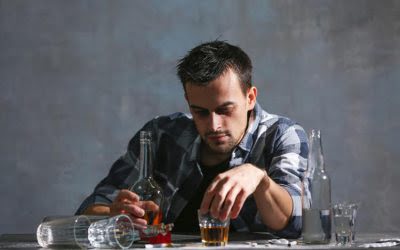
When comparing the physical attributes of someone who is drunk versus someone who is sober, there are noticeable differences. When a person is drunk, their coordination and balance are often impaired. This can lead to stumbling, slurred speech, and difficulty performing simple tasks. In contrast, a sober person typically has better coordination and balance, allowing them to move more feeling of being drunk when sober fluidly and speak clearly.
How long does alcohol anxiety last?
For instance, a substantial proportion of drug addiction treatment individuals with mental health issues use alcohol self-medication to cope. In this case, the underlying mental health issues would be the cause of PAWS. Feeling drunk without drinking can result from various conditions including low blood sugar, inner ear disorders, medication side effects, or neurological issues. If symptoms persist or worsen, consult a healthcare provider for proper diagnosis and consider comprehensive blood testing to identify underlying metabolic imbalances.
- Understanding how carbohydrates are converted into alcohol isn’t enough.
- At this stage, those around the individual will likely notice that they are visibly intoxicated.
Harboring Unrealistic Assumptions About Recovery

The prolonged effects of excessive alcohol consumption extend to addiction development, significant health deterioration, and various social problems. Regular heavy drinking damages vital organs, including the heart, liver, and brain. Frequent intoxication strains personal relationships, decreases performance at work or in academic settings, and results in legal consequences. Understanding alcohol’s risks and recognizing the signs of excessive intoxication are essential steps toward responsible consumption and maintaining overall well-being. Emotional attributes can also be affected by alcohol consumption. When drunk, individuals may experience heightened emotions or mood swings.

What Are the Biggest Health Risks of Drinking?
- This vicious cycle can lead to faster progression through each drinking phase and a perilous proximity to stupor, coma, and even death, even with amounts of alcohol that were once manageable.
- This profound activation of the reward system can dramatically increase the desire for alcohol, progressively leading to dependence and, ultimately, addiction.
- Dr. Byron McQuirt leads works closely with our addictionologist, offering holistic, evidence-based mental health and addiction care while educating future professionals.
It’s illegal in every U.S. state to drive with a blood alcohol concentration (BAC) of 0.08 or higher. A cold shower can give you a second wind, but it won’t reverse the effects of alcohol. In some cases, the shock of a cold shower can actually cause people to lose consciousness. When you start drinking on an https://centsai.co/what-is-the-fentanyl-fold-causes-and-risks/ empty stomach, your body absorbs the alcohol very quickly. An India pale ale (IPA) typically contains more alcohol, so it will count as more drinks.