

The psychological toll of gambling understanding the mind behind the bet
The Nature of Gambling Addiction
Gambling addiction is a complex psychological issue that affects millions of individuals worldwide. This behavior often arises from a combination of genetic, environmental, and psychological factors. Many people initially view gambling as a form of entertainment, but it can quickly spiral into a compulsive behavior, leading to significant emotional distress and financial problems. To explore the exciting world of gaming, you can visit https://www.rdcr.in/ to discover more about the thrill and potential risks involved. Understanding the mind of a gambler is crucial in recognizing the signs of addiction.
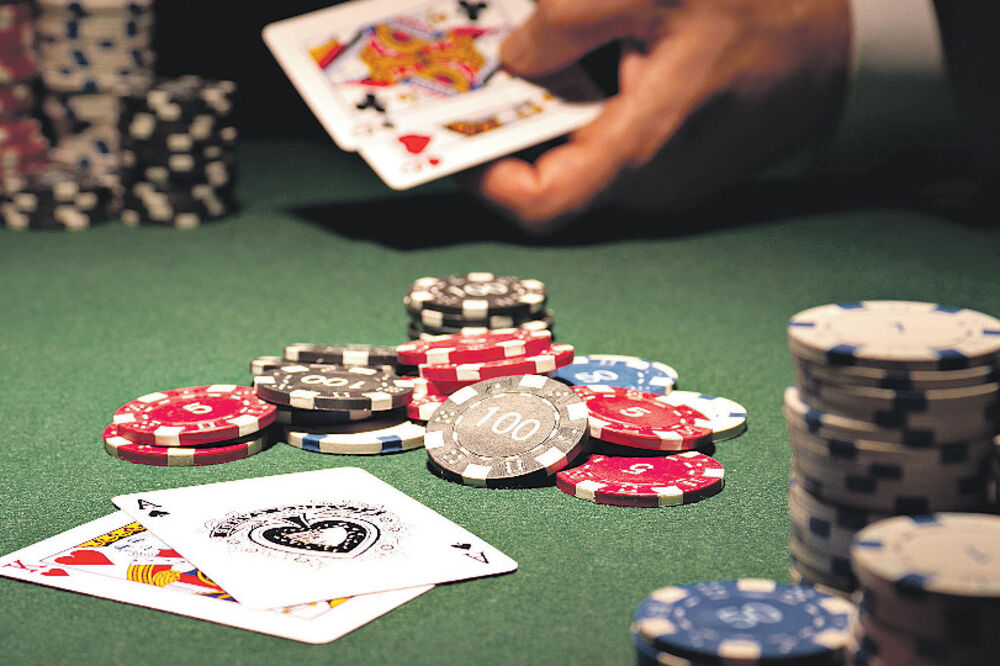
The thrill of betting can release dopamine in the brain, creating feelings of pleasure and excitement. This neurochemical reaction can encourage individuals to chase losses, reinforcing a dangerous cycle of gambling behavior. For many, the initial wins can make them feel invincible, but over time, this mindset can lead to severe consequences.
Psychological Effects of Gambling
The psychological effects of gambling can vary greatly among individuals. For some, the rush of placing a bet is exhilarating, while for others, it may lead to anxiety and depression. The experience of winning can be a temporary high, but the inevitable losses can lead to feelings of despair and hopelessness. Many gamblers experience guilt and shame, which can further complicate their mental health. The impact of gambling can be profound as it shapes one’s emotions and overall well-being.
Moreover, the stigma surrounding gambling can make it difficult for individuals to seek help. The fear of judgment often prevents them from discussing their struggles, making the psychological toll even more profound. Recognizing these emotions is essential for understanding the broader implications of gambling addiction.
The Role of Cognitive Distortions
Cognitive distortions play a significant role in the psychology of gambling. Gamblers often fall prey to irrational thinking patterns, such as believing they can predict outcomes or that they are due for a win after a string of losses. This type of thinking can create an illusion of control, leading to a persistent desire to place more bets.
Additionally, gamblers may engage in selective memory, recalling only the times they won while ignoring their losses. This distortion reinforces the belief that they are skilled or lucky, further perpetuating their gambling behavior. Addressing these cognitive distortions is essential for recovery and developing healthier thinking patterns.
Impact on Relationships and Society
The impact of gambling extends beyond the individual; it can affect relationships and communities. Family members often bear the brunt of the emotional fallout from a loved one’s gambling addiction. Trust issues, financial strain, and emotional turmoil can lead to conflicts and breakdowns in communication.
On a societal level, the economic consequences of gambling addiction are significant. Communities may experience increased crime rates and strained social services as individuals struggle to cope with their addiction. Addressing these challenges requires a collective effort to provide support and resources for those affected.

Understanding and Seeking Help
Understanding the psychological toll of gambling is essential for effective intervention and recovery. Resources such as therapy, support groups, and counseling can provide individuals with the tools they need to confront their addiction. It is crucial for those affected to recognize that help is available and that recovery is possible.
By educating individuals about the psychological mechanisms behind gambling, we can foster a more supportive environment for those struggling with addiction. Awareness and understanding are the first steps toward healing, both for the individual and their loved ones.